
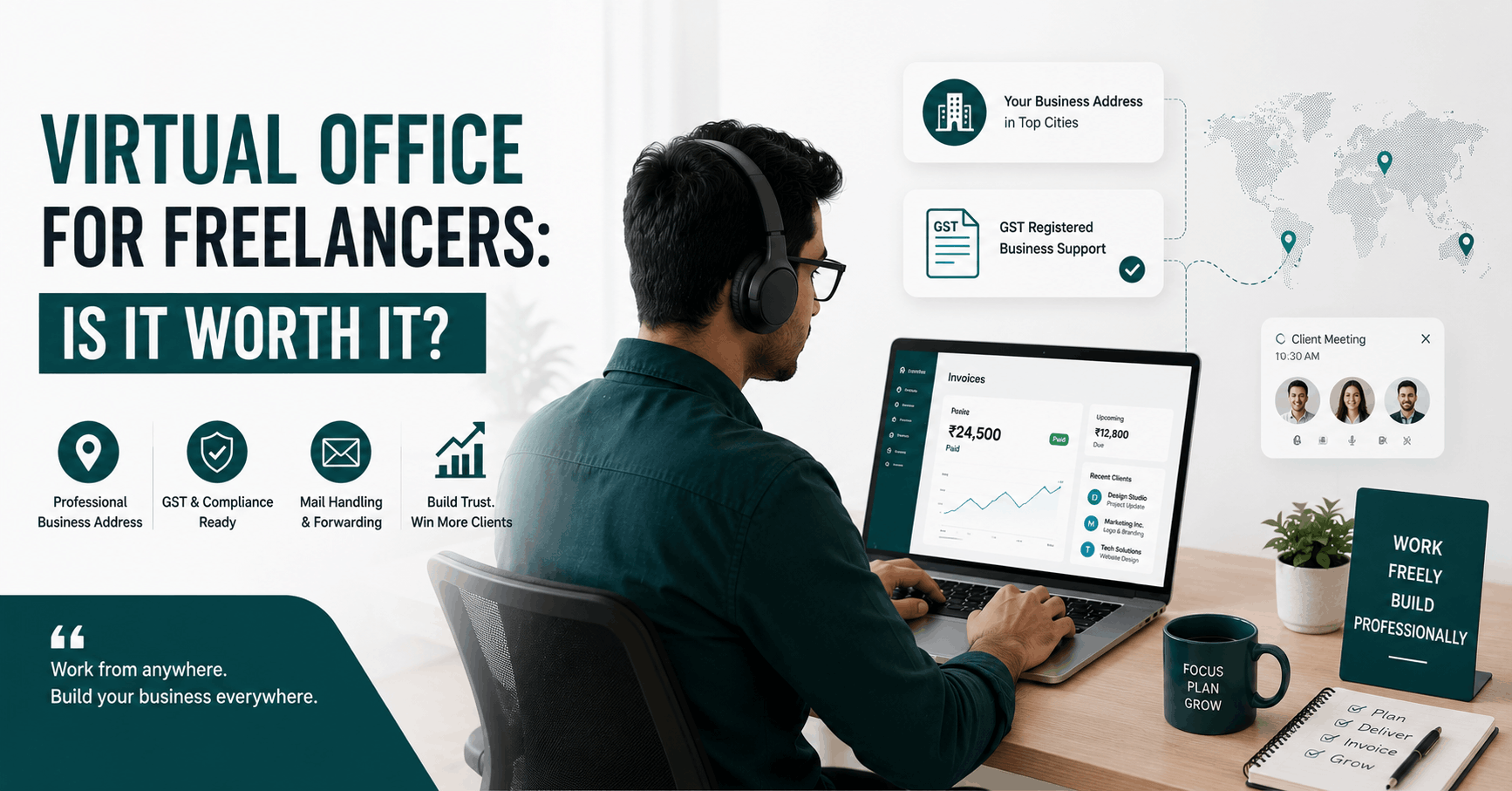
Freelancing in India has grown at an extraordinary pace over the last few years. What was once considered a side income option has now become a full-time career path for millions of professionals across the country. Designers, developers, consultants, writers, marketers, coaches, video editors, and digital experts are increasingly choosing freelancing because of the flexibility, independence, and earning opportunities it offers.
The rise of remote work culture, global hiring platforms, digital payments, and online collaboration tools has made it easier than ever for freelancers to work with clients from different cities and countries without maintaining a traditional office setup.
Today, freelancers in India are building successful independent businesses through platforms like:
- Upwork
- Fiverr
- Freelancer
- Toptal
- Direct client referrals
Many freelancers now earn as much as small agencies or startups while operating entirely from home.
However, as freelancing becomes more professional and competitive, independent professionals are also facing new business challenges. Clients today expect freelancers to operate with the same professionalism as established companies. Businesses hiring freelancers often evaluate credibility based on:
- Business presence
- Professional communication
- GST registration
- Official invoicing
- Brand image
- Business address
This is where many freelancers struggle.
Working entirely from a home address may appear convenient initially, but over time, it can create issues related to privacy, business credibility, and client trust.
As freelancing evolves into a serious business model in 2026, more professionals are now turning toward virtual offices to build a stronger professional identity without investing in expensive office spaces.
A virtual office allows freelancers to use a professional commercial business address while continuing to work remotely. It helps independent professionals maintain privacy, improve brand perception, and support business compliance requirements such as GST registration.
In this detailed guide, we will explore whether a virtual office is truly worth it for freelancers, the challenges freelancers commonly face, the advantages of having a professional business address, and why virtual offices are becoming increasingly popular among modern independent professionals.
Rise of Freelancing in India
India has become one of the largest freelance markets in the world. Several factors have contributed to this rapid growth, including:
- Remote work adoption
- Digital transformation
- Startup ecosystem expansion
- Global outsourcing demand
- Online skill-based platforms
- Flexible career preferences
Freelancers today work across industries such as:
- Graphic design
- Web development
- Content writing
- SEO and digital marketing
- Video editing
- UI/UX design
- Software development
- Consulting
- Online coaching
- Social media management
Unlike traditional employment, freelancing allows professionals to:
- Choose clients independently
- Work remotely
- Scale income based on skills
- Build personal brands
- Create flexible work schedules
Many professionals are also leaving corporate jobs to pursue independent careers because freelancing provides greater flexibility and growth opportunities.
However, while freelancing offers freedom, it also requires individuals to manage their work like a business.
Freelancers today are no longer just service providers. They are entrepreneurs managing:
- Client relationships
- Business operations
- Contracts
- Invoicing
- Tax compliance
- Branding
- Marketing
As a result, professional business infrastructure has become increasingly important for freelancers aiming to grow sustainably.
Challenges Freelancers Face
Although freelancing provides flexibility, independent professionals often face operational and credibility challenges that traditional businesses usually handle more easily.
Lack of Professional Presence
One of the biggest challenges freelancers face is creating a professional business image.
Many freelancers work remotely from home, cafés, or coworking spaces. While this setup may work operationally, clients often evaluate professionalism based on visible business infrastructure.
When freelancers use:
- Residential addresses
- Personal email IDs
- Informal invoices
- Unregistered businesses
They may appear less established compared to agencies or companies.
This can affect:
- Client trust
- High-value project opportunities
- International contracts
- Corporate partnerships
Large clients especially prefer working with professionals who appear organized and business-oriented.
A strong business presence helps freelancers position themselves as serious professionals rather than temporary service providers.
Privacy Concerns With Home Address
Many freelancers use their residential address for:
- GST registration
- Business invoices
- Website contact information
- Client documentation
This creates several privacy concerns.
Personal residential details become visible publicly through:
- GST records
- Client invoices
- Business directories
- Online platforms
For freelancers working from home, this can feel uncomfortable and unprofessional.
Separating personal and business identity has become increasingly important as freelancing grows into a long-term career.
Using a home address can also create image-related issues when dealing with premium clients or international businesses.
A professional commercial address creates stronger business credibility while protecting personal privacy.
What Is a Virtual Office for Freelancers?
A virtual office is a business solution that provides freelancers with a professional commercial business address without requiring them to rent a physical office full-time.
Unlike traditional offices, virtual offices focus on business presence and operational support rather than daily workspace usage.
Typically, a virtual office may provide:
- Professional business address
- GST registration support
- Mail handling services
- Documentation support
- Business registration assistance
- Access to meeting rooms (in some plans)
Freelancers can continue working remotely while using the virtual office address for official business purposes.
This allows independent professionals to maintain flexibility while improving their business image and operational structure.
Virtual offices are especially useful for freelancers who:
- Work from home
- Operate remotely
- Serve clients nationwide
- Need GST registration
- Want professional branding
- Prefer lean operational models
As freelancing becomes more competitive in 2026, virtual offices are helping freelancers operate more like established businesses without high infrastructure costs.
Benefits of Having a Virtual Office
Virtual offices provide several advantages that directly support freelance business growth, credibility, and operational flexibility.
Professional Business Address
One of the biggest benefits of a virtual office is access to a professional commercial address.
A recognized business address improves credibility on:
- Client invoices
- Business websites
- Social media profiles
- Contracts
- GST registrations
- Business cards
When clients see a professional commercial location instead of a residential address, it creates stronger trust and confidence.
This becomes especially important for freelancers working with:
- Corporate clients
- International businesses
- High-ticket projects
- Long-term contracts
A commercial address also helps freelancers position themselves as professional service providers rather than casual independent workers.
GST Registration Support
As freelancers grow, many eventually require GST registration depending on revenue thresholds or client requirements.
Some corporate clients specifically prefer working with GST-registered professionals because it simplifies invoicing and compliance.
Virtual offices help freelancers by providing documentation commonly required for GST registration, such as:
- Rent agreement
- No Objection Certificate (NOC)
- Address proof
- Utility bill copies
This allows freelancers to register their business professionally without renting expensive office spaces.
Better Client Trust
Trust plays a major role in freelancing success.
Clients often evaluate freelancers based on:
- Communication quality
- Professional branding
- Operational structure
- Business credibility
A virtual office improves trust because it demonstrates:
- Business seriousness
- Stability
- Professional organization
Freelancers with professional business infrastructure often appear more reliable and scalable to clients.
This can improve opportunities for:
- Premium projects
- Long-term retainers
- International collaborations
- Corporate contracts
Improved Brand Image
As freelancing becomes more competitive, personal branding has become essential.
Virtual offices help freelancers build a stronger professional identity that aligns with modern business expectations.
A commercial business presence improves how clients perceive the freelancer’s business overall.
Cost-Effective Professional Setup
Traditional office spaces involve high costs, such as:
- Rent
- Furniture
- Utility bills
- Maintenance
- Internet setup
- Security deposits
For freelancers, these expenses are often unnecessary.
Virtual offices provide business infrastructure at a much lower cost while allowing freelancers to continue operating remotely.
This creates better financial flexibility for growing independent professionals.
Is It Worth the Investment?
One of the most common questions freelancers ask is whether investing in a virtual office actually provides meaningful value.
The answer depends on the freelancer’s business goals, client profile, and growth plans.
Cost vs Benefits
Compared to traditional office spaces, virtual offices are significantly more affordable.
Freelancers gain access to:
- Professional business presence
- Compliance support
- Better branding
- Address privacy
- GST registration assistance
without paying massive infrastructure costs.
For freelancers targeting higher-value clients, the professional image alone can justify the investment.
Long-Term Advantages
A virtual office can provide several long-term business benefits, including:
- Better client credibility
- Improved operational structure
- Easier compliance management
- Stronger personal branding
- Expansion flexibility
- Professional business separation
Freelancers planning to scale into agencies, studios, or consulting firms often benefit even more because the virtual office creates a stronger business foundation early.
Better Work-Life Separation
Using a professional business address also helps freelancers separate personal and professional identities more effectively.
This creates:
- Better privacy
- Improved professionalism
- Stronger business organization
which becomes increasingly important as freelance businesses grow.
Competitive Advantage
In competitive industries, even small professional improvements can influence client decisions.
Freelancers with an organized business infrastructure often appear more reliable compared to those operating entirely informally.
Best Freelancers Who Can Benefit
Virtual offices can benefit many types of independent professionals.
Designers
Graphic designers, UI/UX designers, branding experts, and creative professionals often work with agencies and corporate clients who value professional business presence.
Consultants
Business consultants, HR consultants, financial advisors, and strategy professionals frequently require GST registration and professional credibility.
Developers
Freelance developers and software professionals working with startups or international clients can improve trust through professional business infrastructure.
Coaches
Online coaches, trainers, and educators often build personal brands that benefit from stronger business positioning and operational credibility.
Digital Marketers
SEO experts, social media managers, performance marketers, and content strategists can use virtual offices to operate more professionally while maintaining flexible work models.
Writers & Creators
Freelance writers, video creators, editors, and content professionals can also benefit from improved business branding and privacy protection.
Why Freelancers Prefer VOspaces
Freelancers across India increasingly choose VOspaces because of its flexible and business-focused virtual office solutions designed for modern professionals.
Professional Commercial Addresses
VOspaces provides freelancers with professional business addresses in major Indian cities, helping improve business credibility and client perception.
GST-Compliant Documentation Support
Freelancers requiring GST registration can access documentation support commonly required for compliance procedures.
This helps simplify operational setup without requiring expensive office rentals.
Flexible & Cost-Effective Solutions
VOspaces supports lean business operations by offering affordable and flexible virtual office solutions suitable for freelancers and remote professionals.
Suitable for Remote Work Culture
Freelancers operating remotely can maintain a professional business presence while continuing to work independently from anywhere.
Support for Growing Independent Businesses
VOspaces supports:
- Freelancers
- Consultants
- Coaches
- Designers
- Developers
- Creators
- Remote-first professionals
Looking to build stronger professional brands.
Build a More Professional Freelance Brand
Freelancing in 2026 is no longer viewed as temporary or informal work. It has evolved into a serious business model where independent professionals compete globally and manage high-value projects across industries.
As competition increases, freelancers must focus not only on skills but also on professionalism, credibility, and business positioning.
A virtual office helps freelancers:
- Separate personal and professional identity
- Improve client trust
- Maintain privacy
- Build a stronger brand image
- Support GST registration
- Operate more professionally
Instead of investing heavily in traditional office infrastructure, freelancers can use flexible business solutions that support growth without increasing operational burden.
Professionals looking for reliable and professional virtual office solutions can explore the services offered by VOSpaces to create a stronger business presence and improve long-term freelance credibility.
In a competitive freelance market, professionalism often becomes the difference between average opportunities and premium clients.