
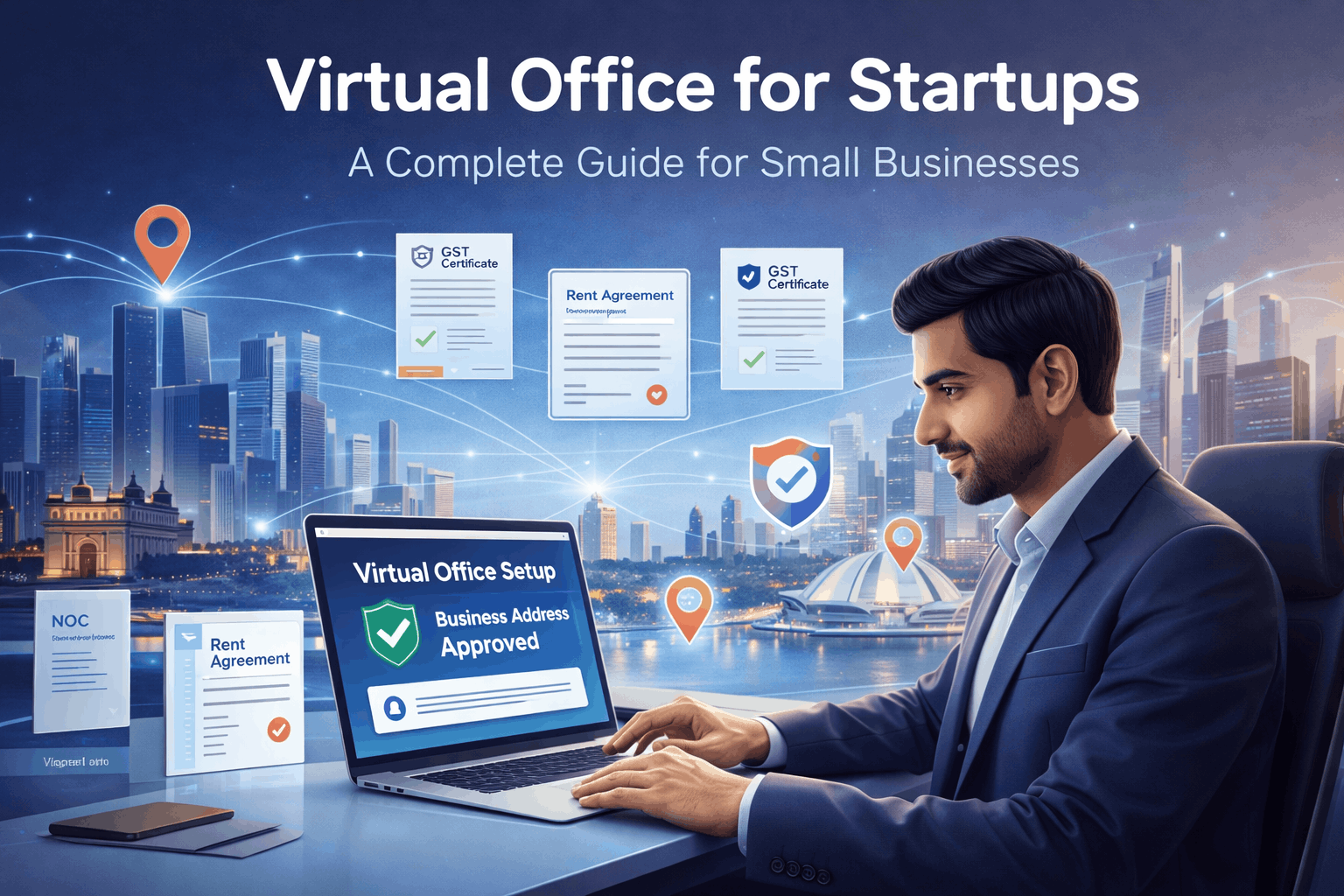
What is a Virtual Office? A Complete Guide for Startups and Small Businesses
The way businesses operate has changed dramatically over the past decade. Startups and small businesses are no longer tied to physical office spaces to establish credibility or run operations efficiently. With remote work becoming the norm and digital tools enabling seamless collaboration, entrepreneurs are constantly searching for smarter, more flexible solutions.
This is where the concept of a virtual office comes into play. If you’ve ever wondered what a virtual office is and how it can help your business grow without heavy infrastructure costs, you’re in the right place.
A virtual office for startups offers the perfect balance between professionalism and flexibility. It allows businesses to maintain a credible presence while operating remotely, making it a game-changer for modern entrepreneurs. Whether you’re just starting or looking to expand, a virtual office business address can provide the foundation you need to scale efficiently.
In this comprehensive guide, we’ll explore everything you need to know—from how virtual offices work to their benefits, comparisons with traditional offices, and how solutions like VOspaces help businesses grow faster.
What is a Virtual Office?
At its core, a virtual office is a service that provides businesses with a professional business address and essential office-related services without requiring a physical workspace.
In simple terms, it enables you to run your business from anywhere while maintaining an official presence in a prime commercial location.
Key Concept–
Instead of renting or owning office space, you get access to:
- A legally valid business address
- Communication and mail-handling services
- On-demand office facilities, like meeting rooms
This means you can work from home, a co-working space, or even while traveling—without compromising your brand image or compliance requirements.
Why It Matters–
Understanding why a virtual office is important, because it reflects a shift in how businesses think about infrastructure. Instead of investing heavily in physical assets, companies now focus on agility and scalability.
A virtual office for startups is particularly useful in the early stages when budgets are tight and flexibility is essential.
Services Included in Virtual Office–
A virtual office is more than just an address—it’s a bundle of services designed to support your business operations.
1. Business Address
One of the most important features is a virtual office business address.
What It Does
- Acts as your official business location
- Can be used for company registration and legal documentation
- Enhances your brand credibility
Why It’s Important
Using a residential address for business can appear unprofessional and may not always meet regulatory requirements. A professional business address solves this problem by giving your company a corporate identity.
2. Mail Handling
Another key service is mail management.
How It Works
- All business correspondence is received at your virtual office address
- Notifications are sent to you digitally
- Mail can be forwarded or stored as per your preference
Benefits
- Never miss important documents
- Maintain privacy by keeping your home address confidential
- Stay organized without physical presence
3. Meeting Room Access
Even remote businesses occasionally need physical spaces for meetings.
What You Get
- Access to conference rooms or meeting spaces
- Professional setup for client interactions
- Pay-as-you-use flexibility
Why It Matters
Meeting clients in a professional environment builds trust and strengthens your brand image.
Virtual Office vs Traditional Office
One of the most common comparisons is virtual office vs physical office. Understanding the difference helps you make an informed decision.
1. Cost–
Traditional offices require:
- High monthly rent
- Security deposits
- Utility bills
- Maintenance costs
Virtual offices eliminate most of these expenses, making them far more affordable.
2. Flexibility–
A physical office ties you to a specific location.
A virtual office allows you to:
- Work from anywhere
- Hire remote teams
- Scale without relocation
3. Setup Time–
Setting up a traditional office can take weeks or months.
A virtual office can be activated within days.
4. Scalability–
Expanding with a physical office involves:
- Leasing new spaces
- Hiring local staff
- Managing infrastructure
With a virtual office, you can expand to multiple cities instantly.
5. Professional Image–
Both options offer credibility, but a virtual office provides it without a heavy investment.
Why Startups Prefer Virtual Offices–
Startups operate in a fast-paced environment where adaptability is crucial. A virtual office for startups aligns perfectly with their needs.
1. Low Initial Investment
Startups often have limited capital. Virtual offices reduce overhead costs, allowing founders to invest in growth instead of infrastructure.
2. Remote Work Culture
Modern startups embrace remote teams. A virtual office supports this model by providing a centralized business identity.
3. Easy Expansion
Startups can enter new markets without physical presence. This is especially useful for businesses targeting multiple cities or states.
4. Professional Branding
A professional business address enhances credibility, making startups appear more established.
5. Compliance Support
Virtual offices provide the documentation required for registrations, making legal processes smoother.
Cost Comparison–
Let’s break down the financial difference between a virtual office and a traditional office.
Traditional Office Costs:
- Monthly rent (high in metro cities)
- Security deposit (3–6 months’ rent)
- Furniture and setup costs
- Utility bills
- Maintenance and staff expenses
Virtual Office Costs:
- Affordable subscription plans
- No deposit
- No utility or maintenance costs
- Pay only for additional services (like meeting rooms)
Result–
A virtual office can save up to 70–90% of operational costs, making it an ideal solution for startups and small businesses.
Benefits of Virtual Office–
Understanding the benefits of a virtual office helps you see why it’s becoming a preferred choice.
1. Cost Efficiency
Significantly reduces operational expenses.
2. Flexibility
Work from anywhere without limitations.
3. Professional Image
Establish credibility with a premium address.
4. Scalability
Expand your business without infrastructure challenges.
5. Privacy
Keep your personal and professional life separate.
6. Access to Prime Locations
Get a presence in top business areas without high costs.
How VOspaces Helps Businesses Scale–
Choosing the right provider is essential to leverage the benefits of a virtual office fully. VOspaces offers tailored solutions designed for startups and growing businesses.
1. Verified Business Addresses
VOspaces provides legally compliant addresses for registration and official purposes.
2. Affordable Plans
Flexible pricing ensures that businesses of all sizes can access professional services without financial strain.
3. Multi-City Presence
Expand your business footprint across multiple locations without setting up physical offices.
4. Complete Documentation Support
From agreements to compliance documents, VOspaces ensures everything is handled smoothly.
5. Easy Setup
The onboarding process is quick and hassle-free, allowing businesses to start immediately.
6. Dedicated Support
Expert assistance ensures you navigate legal and operational requirements with ease.
Real-World Use Cases–
Freelancers:
Use virtual offices to build credibility and maintain privacy.
E-commerce Businesses:
Expand across multiple regions without physical stores.
Consultants:
Meet clients professionally while working remotely.
Startups:
Scale operations quickly without heavy investments.
Common Misconceptions–
“Virtual offices are not legal.”
They are completely legal when provided by compliant service providers.
“They are only for small businesses.”
Even large companies use virtual offices for expansion.
“They lack professionalism.”
A premium business address enhances credibility.
The Future of Work
The global shift toward remote and hybrid work models has made virtual offices more relevant than ever. Businesses are focusing on efficiency, flexibility, and scalability—all of which are core advantages of virtual offices.
As technology continues to evolve, the demand for virtual office solutions will only increase.
Why Virtual Offices Are Essential for Modern Business Growth?
Understanding why a virtual office is essential for any modern business looking to grow efficiently. It’s not just a cost-saving alternative—it’s a strategic tool that enables flexibility, scalability, and professionalism.
A virtual office for startups provides the perfect foundation to build and expand without the burden of traditional office expenses. From offering a virtual office business address to supporting compliance and operations, it empowers businesses to focus on what truly matters—growth.
Get Started with VOspaces Today
If you’re ready to take your business to the next level, a virtual office is the smartest investment you can make.
With VOspaces, you get:
- A professional business address
- Affordable and flexible plans
- Easy setup and documentation support
- Access to multiple locations
Start your journey today and experience the future of business with a virtual office designed for growth.